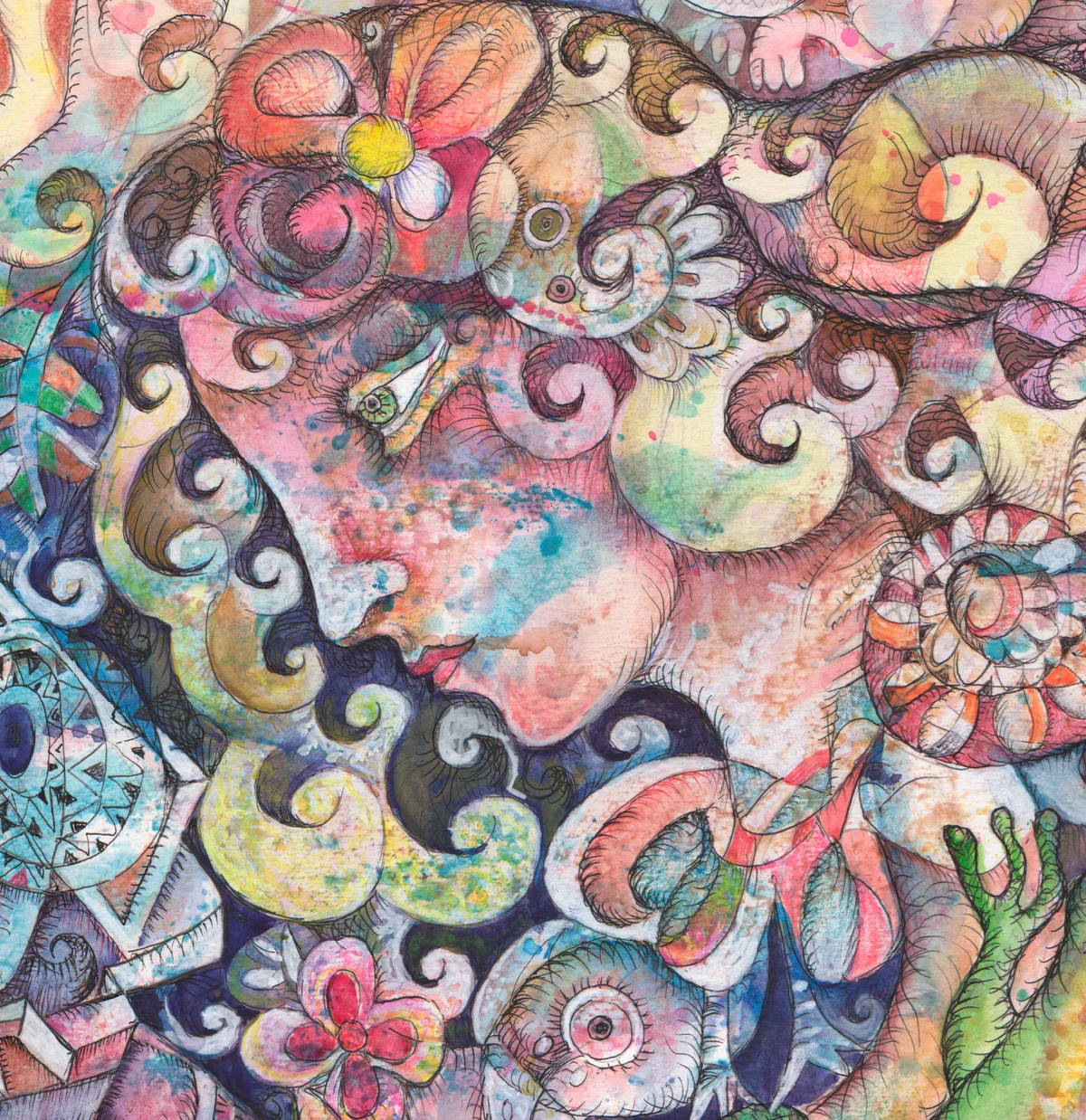
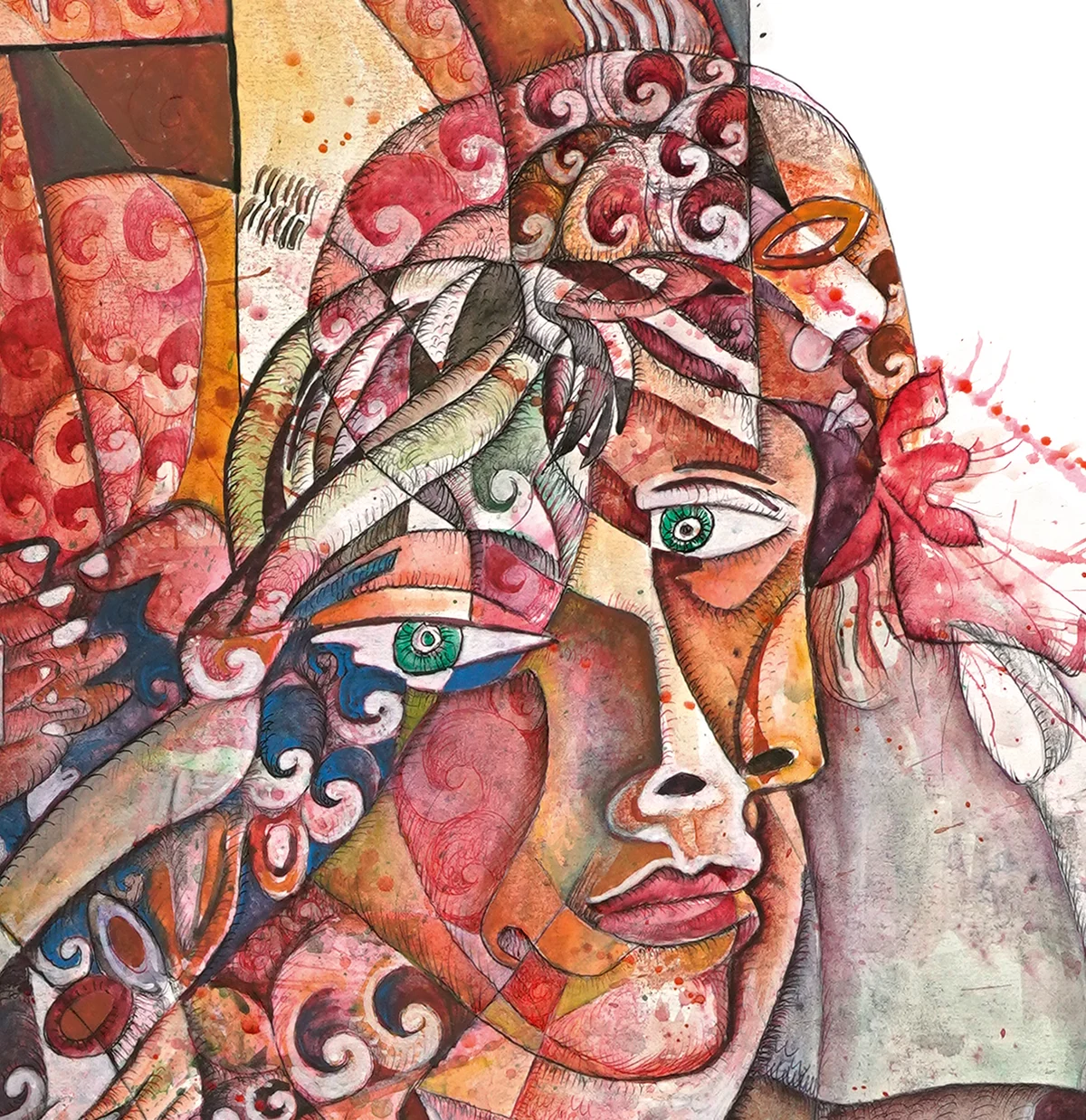
Los trabajos de Persiles y Sigismunda
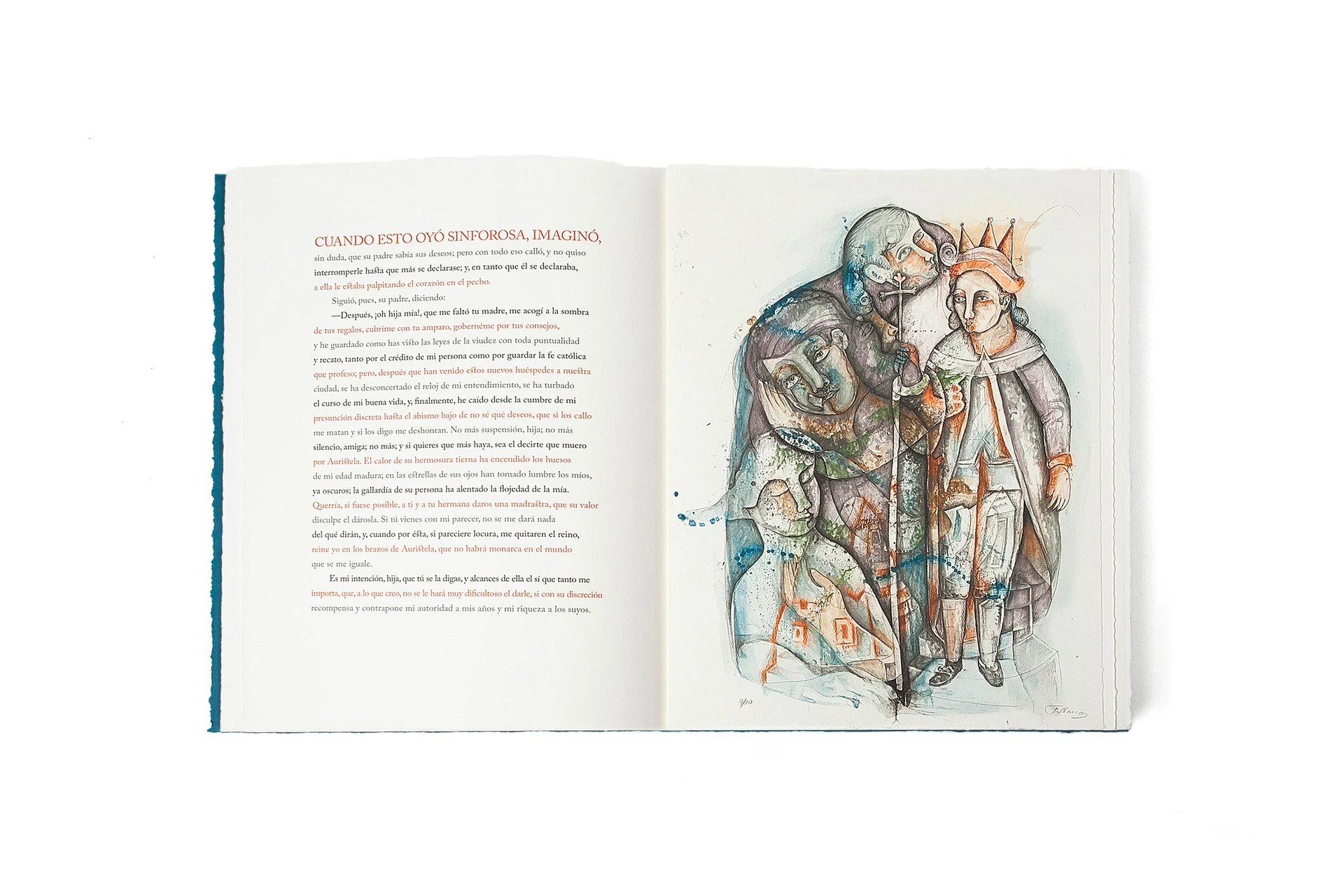
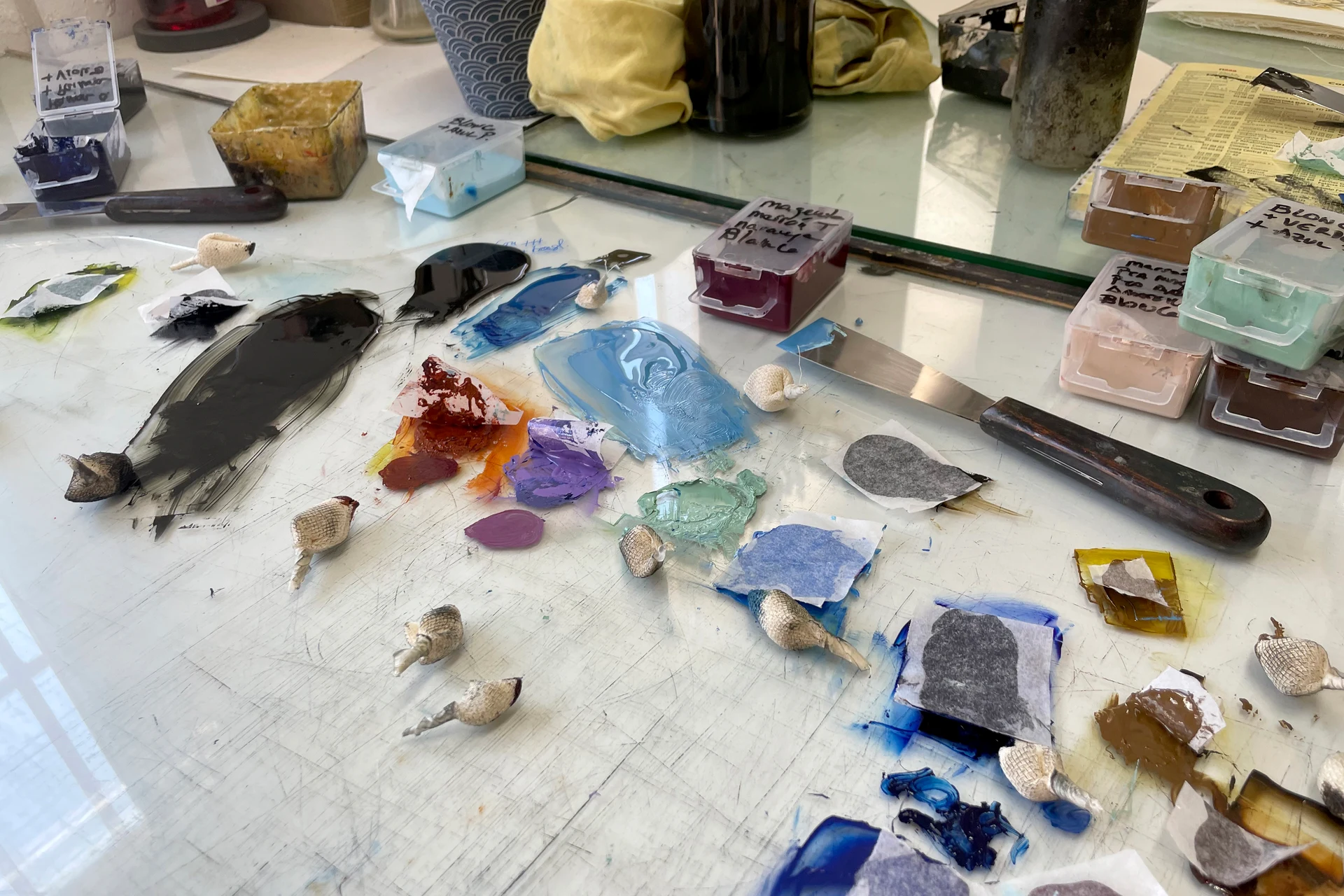
À la poupée intaglio printing · 2022
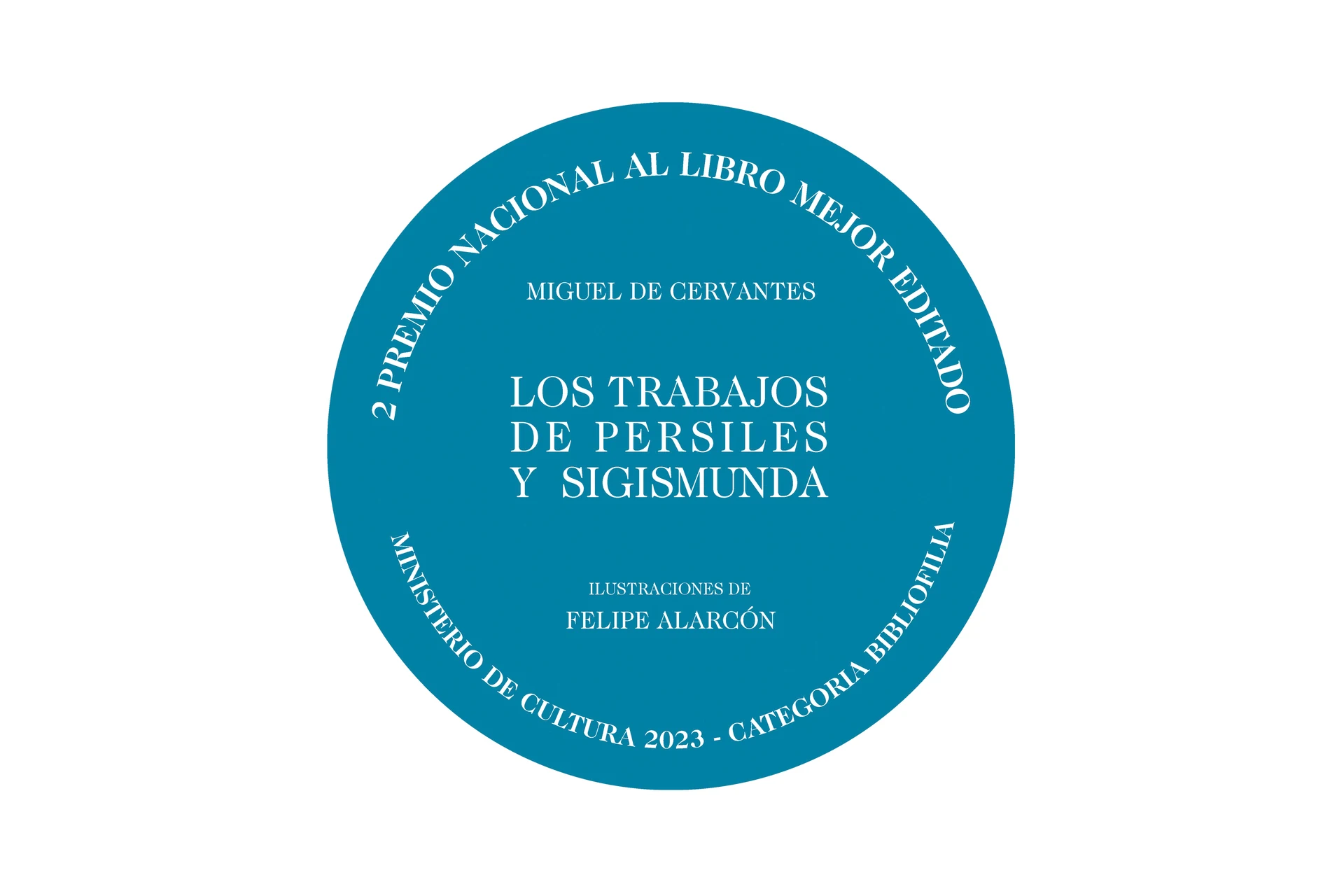
 Second Prize for Best Edited BooksSpanish Ministry of Culture · Fine Press Editions · 2023

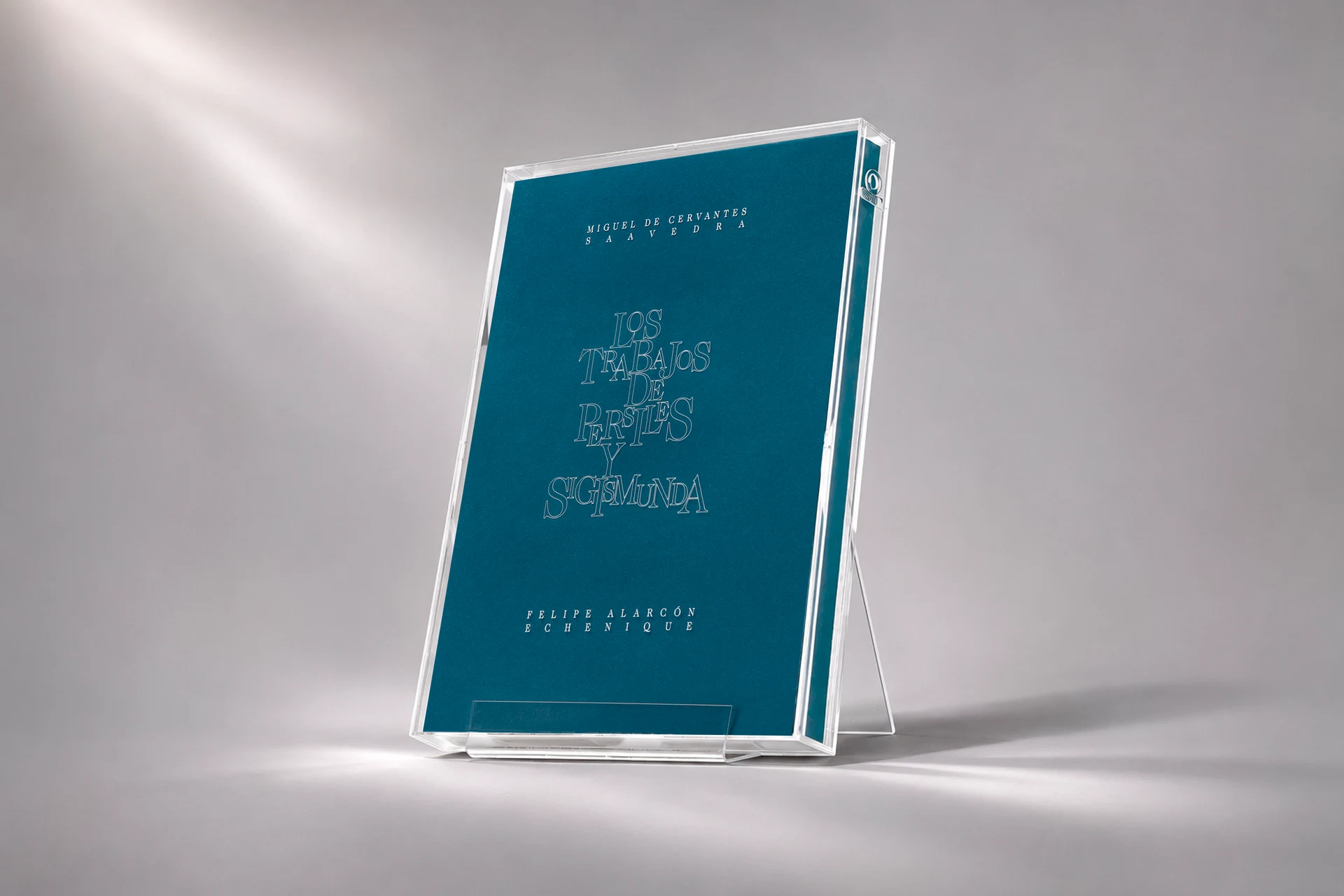
À la poupée intaglio printing · 2022
Second Prize for Best Edited BooksSpanish Ministry of Culture · Fine Press Editions · 2023
The sea played a central role in the life of Miguel de Cervantes. The Mediterranean was the setting for his voyages, naval battles and years of captivity in Algiers, experiences that left a profound mark on his memory and literary imagination. In Los trabajos de Persiles y Sigismunda, published posthumously in 1617, the sea once again takes centre stage, becoming a realm of adventure, encounters and shipwrecks.
The novel recounts the pilgrimage to Rome of Persiles and Sigismunda, two young princes from northern Europe who, under the names of Periandro and Auristela, sail across seas, journey through remote islands and explore unknown lands.
Unlike Don Quixote, whose characters and episodes have inspired countless artists over the centuries, Persiles has a far more limited iconographic tradition. While Don Quixote and Sancho Panza possess a visual identity deeply embedded in our collective memory, the characters of Cervantes’ final novel have no widely recognisable visual references.
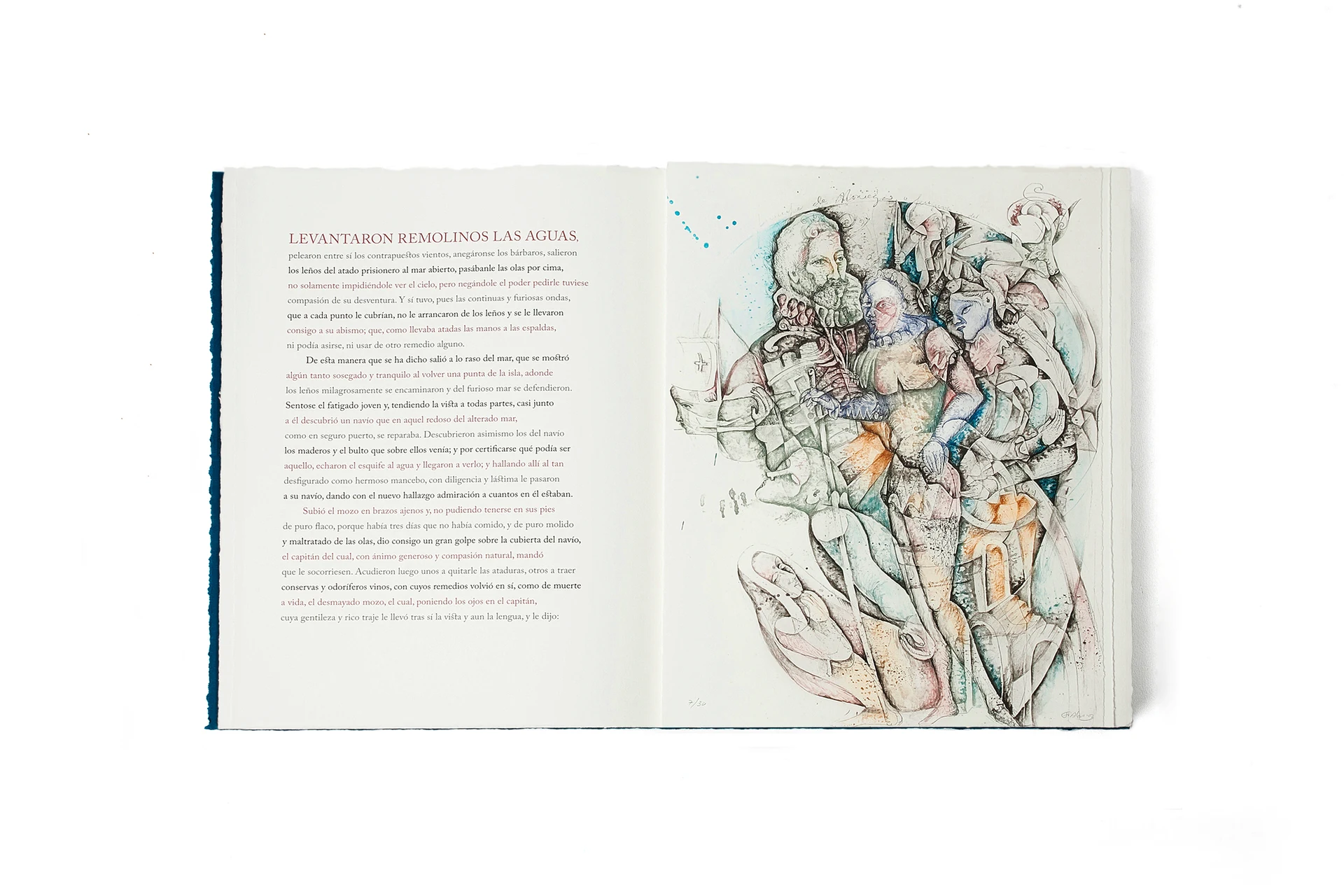
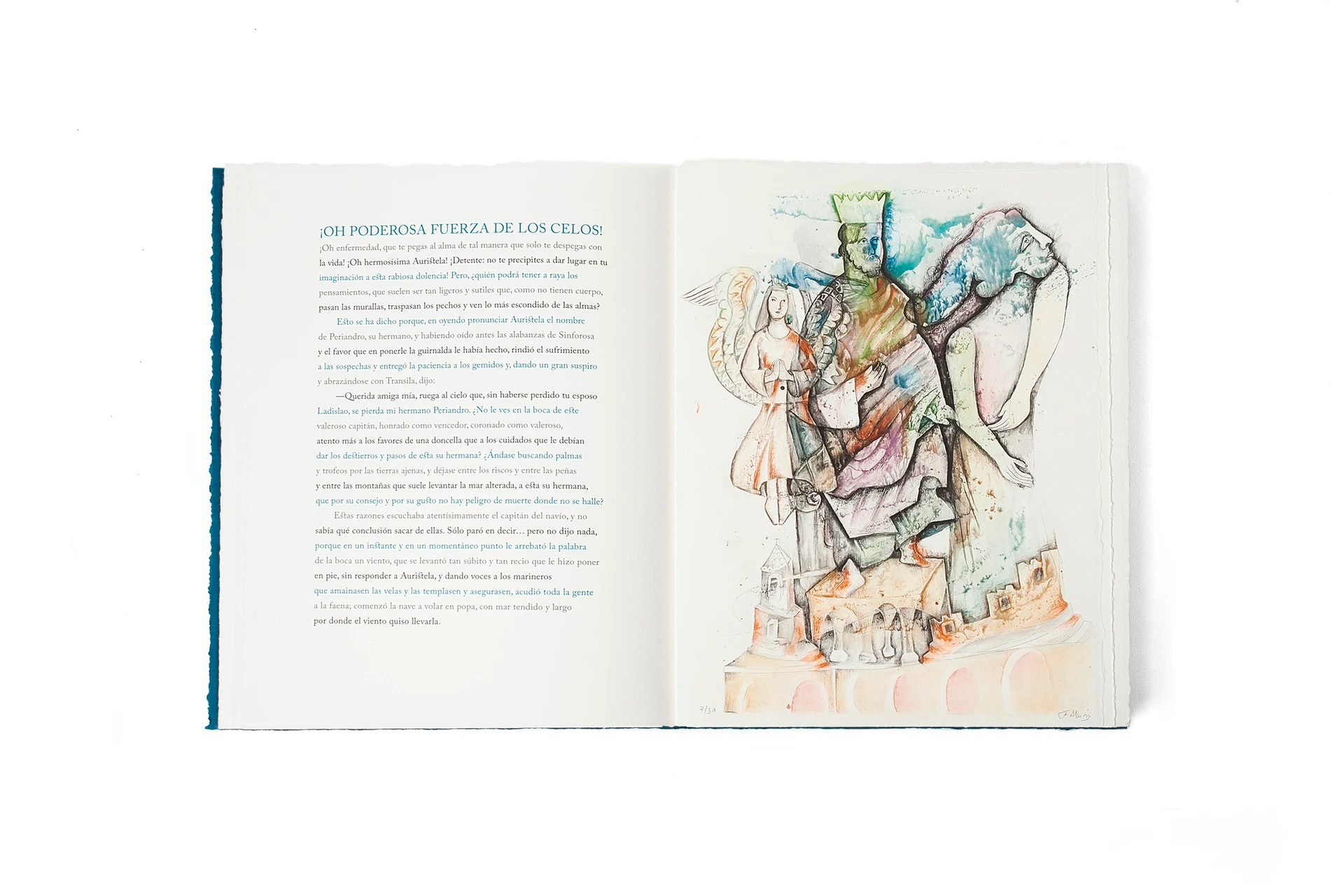
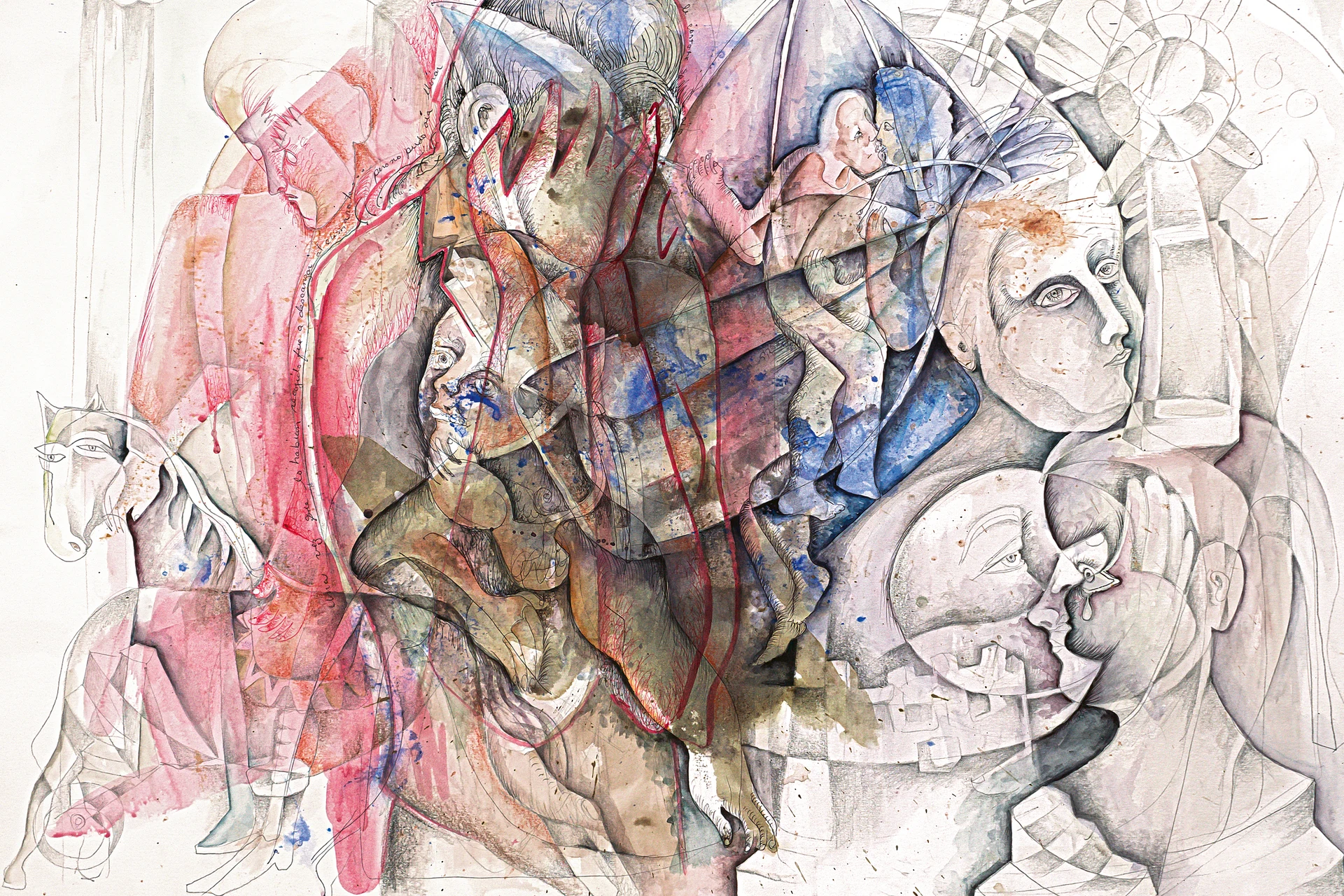
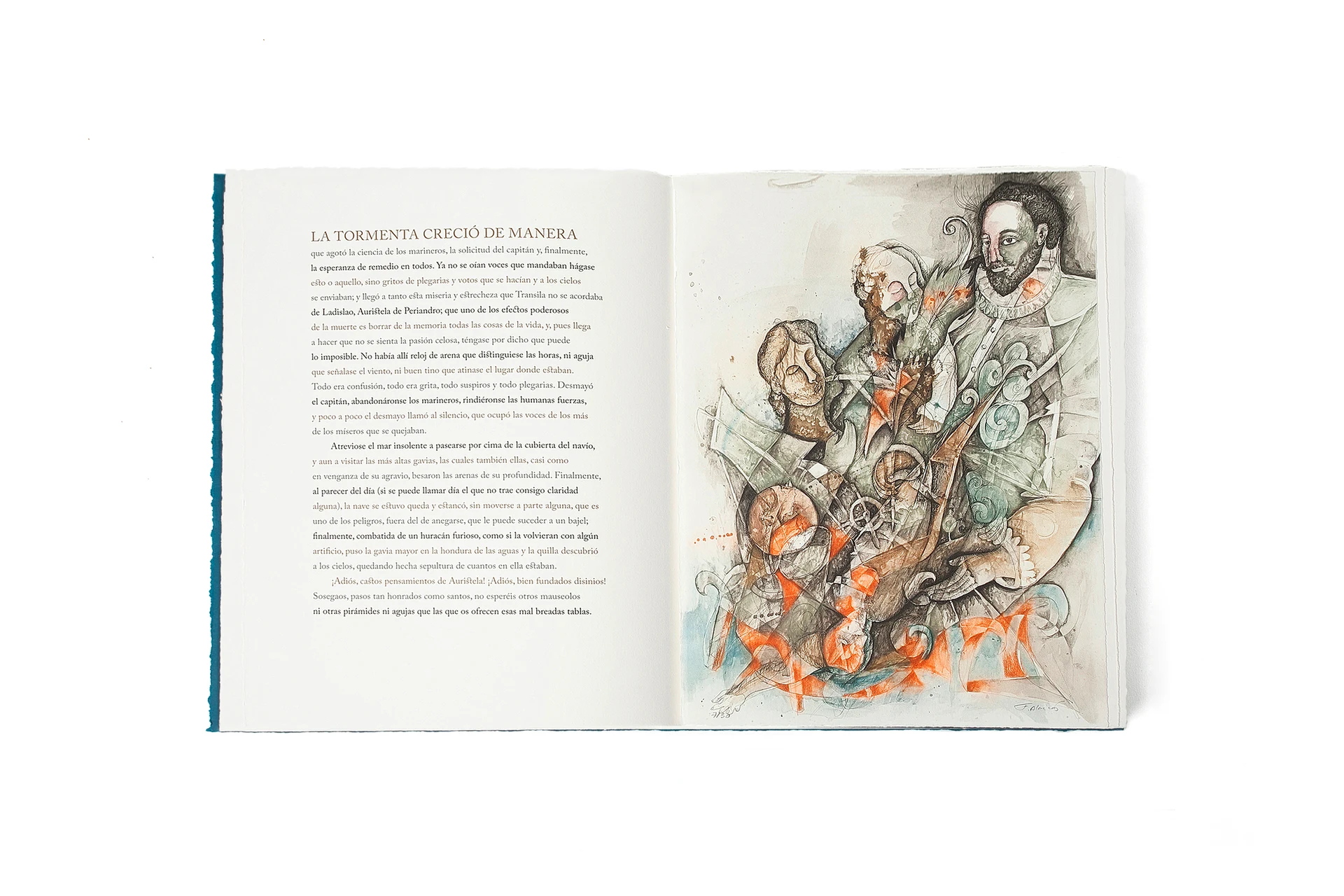
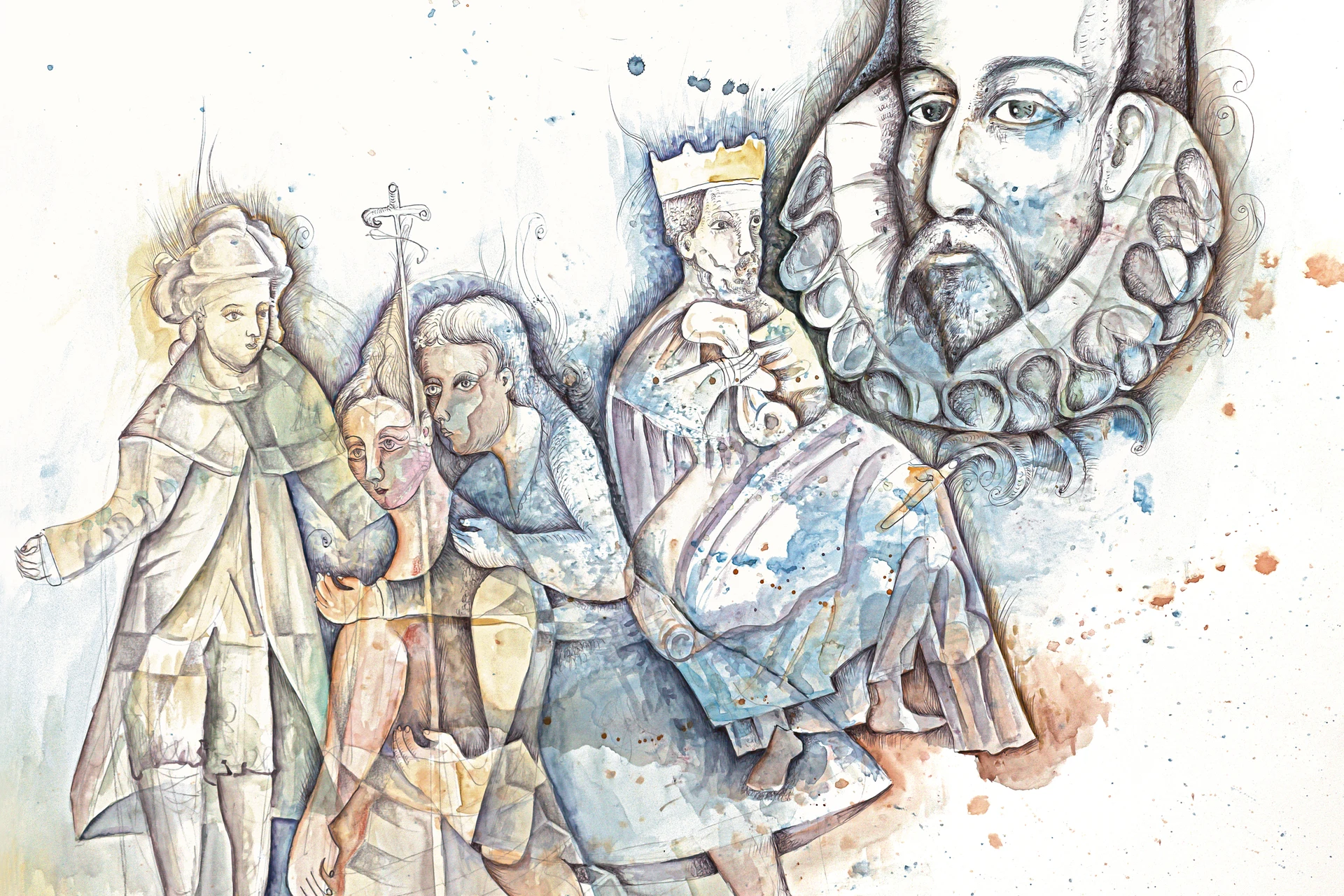
Felipe Alarcón Echenique thus ventures into a largely unexplored world, where each character and setting acquires an identity of its own. His figures seem to emerge not only from Cervantes’ words, but also from an inner world inhabited by beings who appear to have always existed in his imagination.
In his prints, characters emerge among architectural forms, vessels, landscapes and symbolic elements, interwoven in compositions full of movement and mystery. Four centuries after its publication, Persiles comes to life anew through the vision of Felipe Alarcón Echenique.
As José Manuel Lucía Megías reminds us, ‘everything begins at sea’.
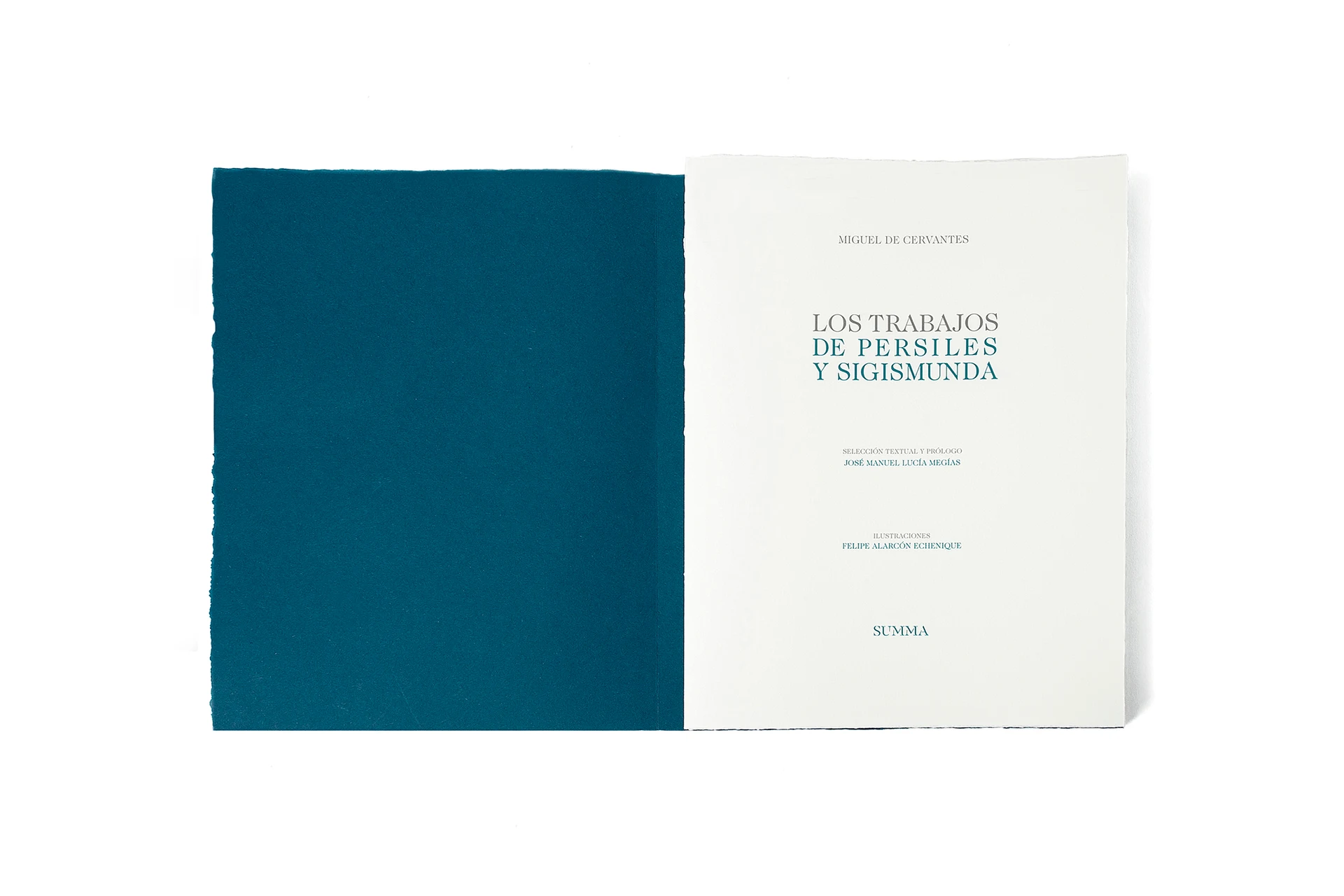
Contact · Los trabajos de Persiles y Sigismunda
If you have any enquiry, please do not hesitate to call or write to us.
PremisesC/ Juan Duque, 12
28005 Madrid, Spain
Telephone91 559 60 25
670 777 808
WhatsAppWrite
Instagram@summaeditorial
Summa uses its own technical storage and, only if you accept, third-party cookies (Google Analytics) to measure visits. Cookie policy